Green & Blue Screen Paint

Green & blue screen paint

Paint a green screen that actually keys

A clean key is won or lost on the wall. Rosco makes two purpose-built keying paints — Chroma Key Paint and DigiComp® HD — engineered for the high luminance, strong saturation and dead-flat finish that hardware-store “green” can’t give you. Here’s how to pick the right one, get the numbers right, and lay it down so it keys the same every time.

Ultra-matte, camera-friendly Green or blue Water-based clean-up Exclusive Rosco distributor AU & NZ
Rosco Chroma Key Paint, green

Chroma Key Paint or DigiComp® HD?

Both are purpose-made keying paints with an ultra-matte finish. The difference is the workflow you’re optimising for. Most studio green/blue screens start with Chroma Key Paint.

Rosco Chroma Key Paint
General production · studios & broadcast

Chroma Key Paint (5710 / 5711)

High luminance and strong saturation with a matte, camera-friendly finish — a reliable, repeatable key for general capture.

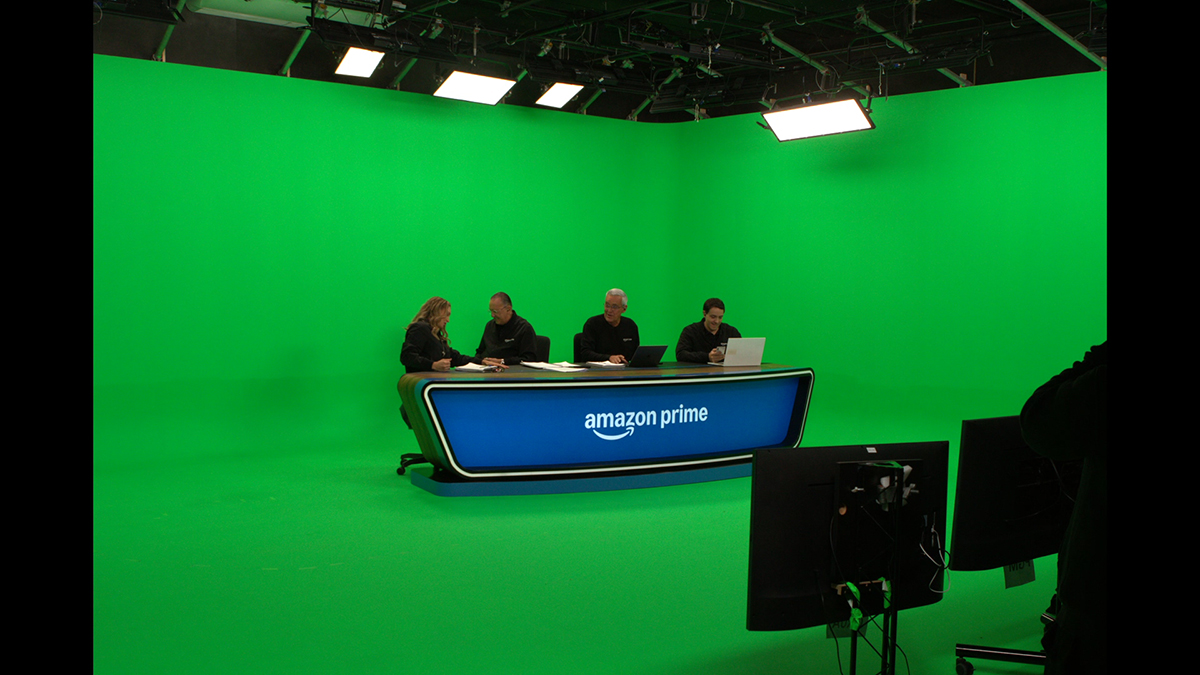
Choose for: green/blue screen studios, broadcast rooms, education and corporate media spaces, photo stages and infinity walls.

Rosco DigiComp HD Paint
Digital compositing · VFX & virtual production

DigiComp® HD (5750 / 5751)

Manufactured to precise luminance and RGB targets for a bright, narrow-bandwidth key that’s simple to light and easy to pull — less rotoscoping and post clean-up.

Choose for: VFX-heavy pipelines and virtual production, or any job where your post team asks for DigiComp standards specifically.

Rule of thumb

Start with Chroma Key Paint for most green/blue screen studio builds. Step up to DigiComp® HD when your VFX or virtual-production pipeline needs its controlled digital standards.

Compare the specs →

Green or blue?

Pick the key colour that appears least in your foreground — wardrobe, props and set — and that your camera handles best.

Green

The default for digital and HD capture — most modern camera sensors are more sensitive to green, so it lights brighter for less power and keys cleanly. Choose green unless your foreground has a lot of green in it.

Blue

Preferred when shooting film (the blue emulsion layer is more sensitive) and whenever the foreground contains a lot of green — foliage, green wardrobe, or a subject that would spill or conflict against a green wall.

Both Chroma Key Paint and DigiComp HD come in green and blue. Avoid matching the background to a major foreground element (for example, a blue costume against a blue screen).

Technical specifications

Chroma Key Paint (5710 / 5711) DigiComp® HD (5750 / 5751)
Best for General green/blue screen production & studios Digital compositing, VFX & virtual production
Colours Green (5711) & Blue (5710) Green (5751) & Blue (5750)
Finish Matte Ultra-flat — no sheen or gloss
Chemistry Water-based, vinyl acrylic Water-based, vinyl acrylic; ready to use from the can
Coverage ~300 sq ft/gal (~27.9 m² per 3.79 L, ~7.4 m²/L) ~300 sq ft/gal (~27 m² per 3.79 L)
Coats Thin, even coats until uniform (typically 2) 2 coats for uniform colour
Dry / recoat Touch-dry ~30 min at 24°C; recoat 1–2 hrs ~30 min to 1 hr, depending on conditions
Surfaces Clean, dry, primed porous surfaces Most porous surfaces: wood, wallboard, plaster, concrete
Prime with Rosco Tough Prime – White (porous surfaces) Prime porous / unprimed surfaces for even colour
Apply with Brush, roller or spray gun 3/8″ nap roller, or airless / HVLP spray
VOC Max 50 g/L Max 50 g/L
Sizes 0.95 L, 3.79 L, 19 L 3.79 L, 19 L

Figures per Rosco published data. Coverage varies with surface porosity, film thickness and method — porous or unprimed surfaces drink more. Do not apply Chroma Key Paint below 10°C.

How to paint a green screen

The paint can be perfect and the key can still be messy if the wall isn’t prepped and lit evenly. Work through these steps.

Test · test · test

Test the full system on a sample first

Surface, primer, paint and lighting all affect the key. Paint a test panel of your actual wall build, light it the way you will on the day, and confirm the key pulls clean — then document what you did (product, primer, coats, date) before committing to the whole studio.

Prep the surface

Surface must be clean, dry and free of oil and grease. Fill and sand so the wall reads flat under soft light.

Prime porous surfaces

Prime porous substrates — use Rosco Tough Prime – White as the final prime coat. Unprimed surfaces key patchy and uneven.

Stir, don’t shake

Stir thoroughly for uniform colour. Use straight from the can; if you must thin, do it minimally — over-dilution hurts evenness.

Apply thin, even coats

Brush, roller or spray. Overlap strokes and keep a wet edge to avoid lap marks. Build to uniform colour, typically two coats.

Recoat & cure

Touch-dry around 30 minutes at 24°C; recoat in 1–2 hours. Let it flash off properly before you light it for camera.

Light it evenly

Aim for flat, even illumination across the whole background and keep shiny floors and objects from throwing colour spill onto talent.

How much paint will you need?

Pick the paint and enter your wall area. Estimates only — porous and unprimed surfaces use more.

Choose a paint and enter your area to estimate how much you need.

Based on the 3.79 L (1 gallon) tin. Plan for the primer coat separately, and round up for touch-ups.

Not sure? We’ll spec it with you Tell us your studio and we’ll size the job

Build the whole chroma system

Most keying problems are mismatches — wall vs floor vs seams. Rosco’s system is built so the pieces key together.

Chroma key flooring

Reversible blue/green floor for when you don’t want to paint the floor — fast to lay and matched to the paint.

See chroma flooring →

ChromaGaff™ & keying tape

Matching green and blue tape for seams, wall-to-floor joins, cable runs and tidy edges.

See keying tapes →

Tough Prime – White

The recommended final prime coat under keying paint on porous walls, for even colour.

About Tough Prime →

Green & blue screen FAQ

The questions we get before people commit. If yours isn’t here, just call or email us.

Can’t I just use flat green paint from the hardware store?
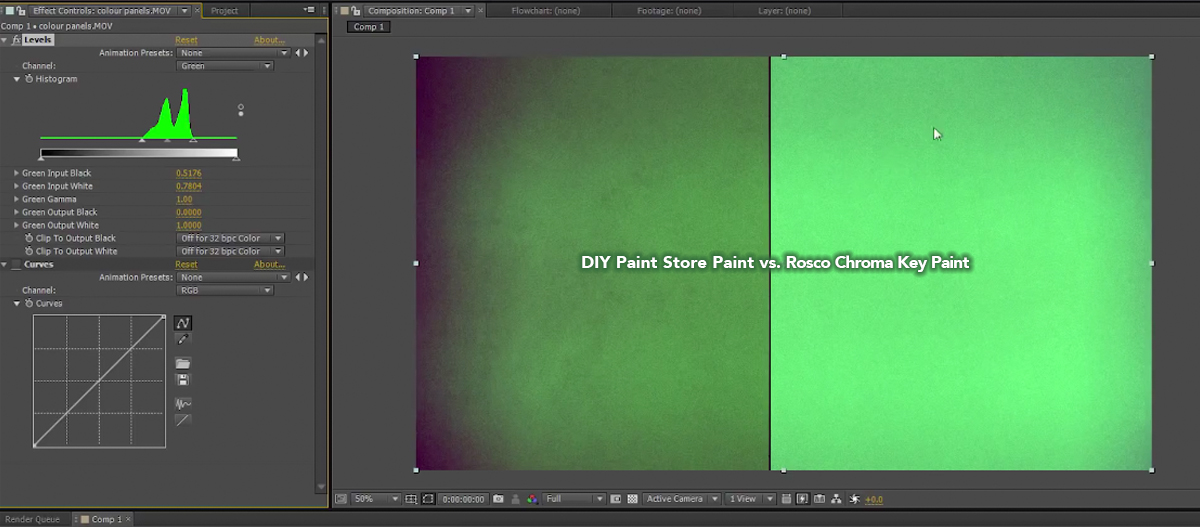
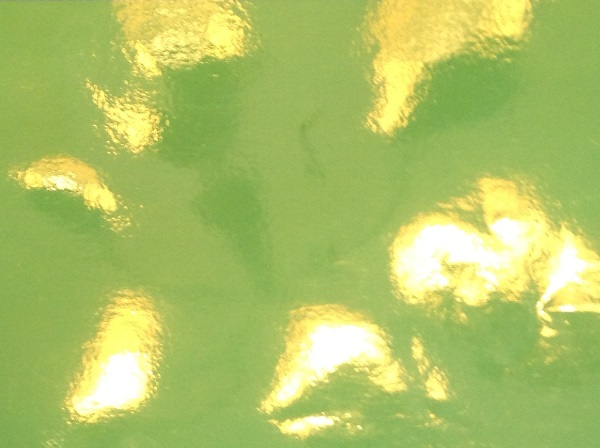
You can, but it usually costs you in post. Hardware-store “flat” paints still carry some sheen that reads as bright hot spots under studio light, and their green isn’t engineered for a narrow, keyable bandwidth. Rosco keying paints are built for camera capture and clean, repeatable keys — so touch-ups key like the rest of the wall.
Chroma Key Paint or DigiComp HD — which do I need?
For most green/blue screen studio builds, Chroma Key Paint is the right call. Choose DigiComp® HD when you’re doing VFX-heavy digital compositing or virtual production and want its precise, controlled standards — or when your post team specifically asks for DigiComp.
Green or blue screen?
Green for digital/HD capture (sensors are more sensitive to green), blue for film and whenever your foreground has a lot of green in it. The guiding rule: pick the colour that appears least in your wardrobe, props and set.
Do I need to prime first?
On porous surfaces, yes — unprimed walls give patchy, uneven colour that fights the key. Use Rosco Tough Prime – White as the final prime coat. Fabrics are treated differently, so test first.
How much do I need and how many coats?
Both paints cover roughly 300 sq ft per gallon (~27–28 m² per 3.79 L). Plan on two even coats for uniform colour. Use the calculator above to estimate quantity, and add the primer coat separately.
Will the paint fix a bad key on its own?
No — the wall is only half of it. Even lighting across the whole background and controlling spill from shiny floors and objects matter just as much. That’s why we recommend a matched system (paint + floor + tape) and a lighting test before you shoot.

Ready to order?

Shop the range, or talk to us first if you want the colour and quantity checked for your studio.

Rosco Chroma Key Paint
General production

Chroma Key Paint

Green (5711) & Blue (5710). 0.95 L, 3.79 L and 19 L.

Rosco DigiComp HD Paint
Digital compositing & VFX

DigiComp® HD

Green (5751) & Blue (5750). 3.79 L and 19 L.

Building or repainting a green screen?

We’re the exclusive Rosco distributor for Australia and New Zealand. Tell us your surface, wall size and whether it’s for general production or VFX, and we’ll point you to the right paint, colour and quantity.