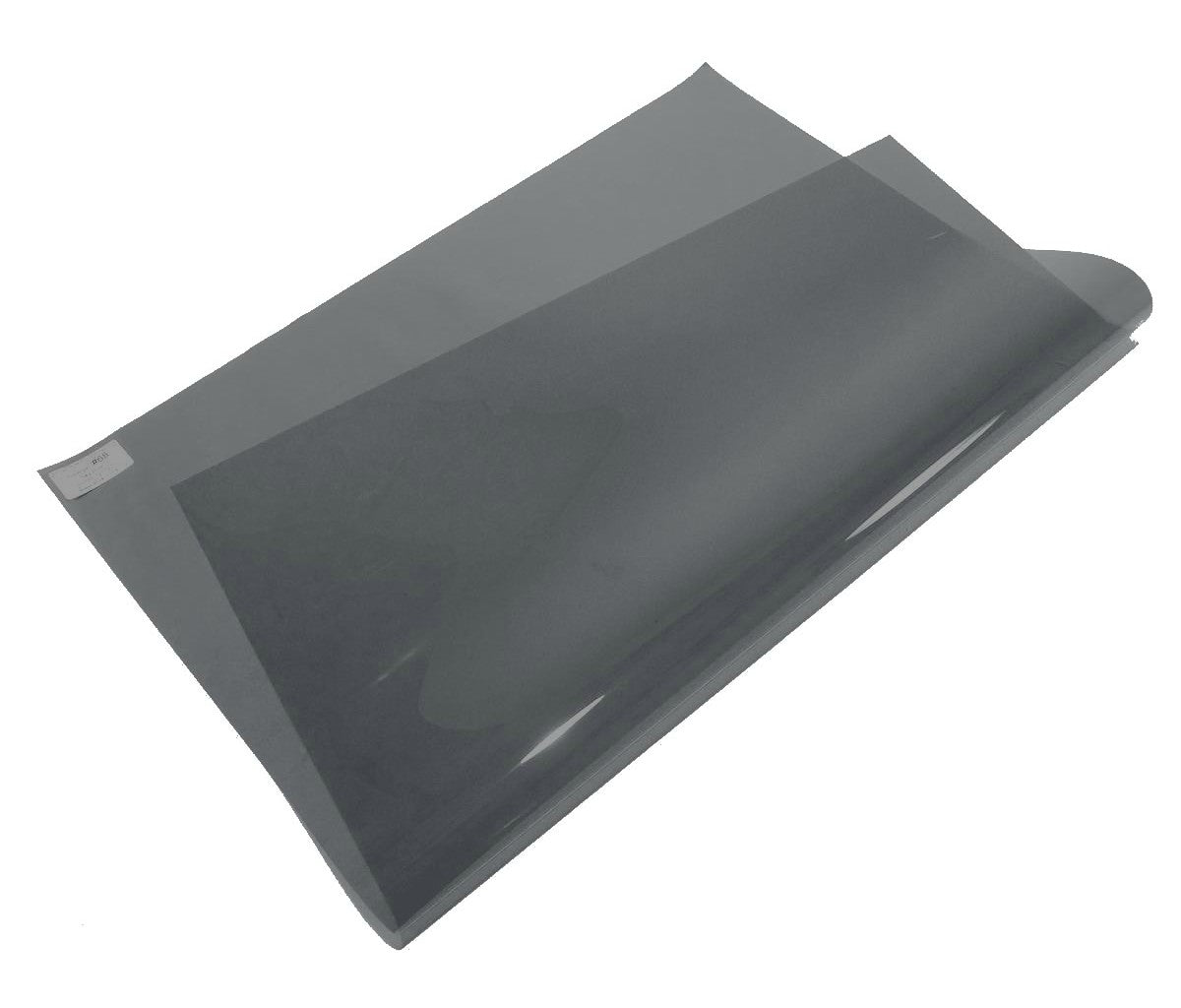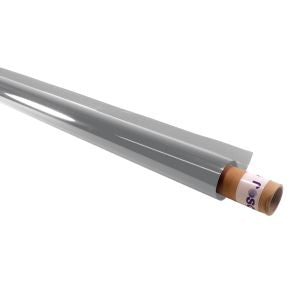


Rosco Polarising Filter #7300 — control glare at the light source
A linear polarising filter made for lights, used to reduce glare from smooth reflective surfaces. Pair it with a camera lens polariser for cross-polarisation and you can dial reflections down or out.

Image: Rosco
Polarise the light, then control the reflection
#7300 polarises the light leaving the fixture. With a polariser on the lens, rotating the lens filter cuts glare from glass, liquids, gloss and paint far more than a lens polariser alone.
- Polarises light at the fixture
- Reduces glare from smooth reflective surfaces
- Enables cross-polarisation with a lens polariser
- Polarisation axis marked on each filter
- 6 mil acetate base
- 38% transmission (1½ stops)
Product, studio and display work
Product & packaging
Control reflections on glossy labels, packaging and printed surfaces.
Glass & liquids
Cut glare on glassware, bottles and liquids.
Paint & polished surfaces
Tame reflections on automotive paint and polished materials.
What it is — and what it isn’t
Use it for
- Reducing glare from smooth reflective surfaces
- Cross-polarised product and copy work
- Film, TV and stills lighting
- Display and museum-style reflection control
Don’t use it for
- Replacing a camera lens polariser — Rosco says it isn’t intended to
- Mounting against the lamp — leave several inches for ventilation
- Matte surfaces with no specular glare
- Colour correction or diffusion
Cross-polarisation (per Rosco)
- Mount the filter on a barndoor or frame in front of the light, several inches from the bulb for ventilation.
- On multiple lights, align the marked polarisation axes in the same direction.
- Position the lights at about 45° to the subject.
- Fit a polariser on the camera lens.
- Rotate the lens polariser until the glare diminishes or disappears.
Key details
| Product | Rosco #7300 Polarizing Filter |
|---|---|
| Type | Linear polarising filter for lights |
| Base | 6 mil acetate |
| Transmission (per Rosco) | 38% (1½ stops) |
| Rosco sizes | Sheet 17" × 20" (43 × 51 cm); roll 17" × 10' (43 cm × 3 m) |
| Sizes | As listed above |
| Marking | Polarisation axis marked on each filter |
Common questions
What is cross-polarisation?
Polarising the light with #7300 and placing a second polariser on the lens. Rotating the lens polariser reduces or removes specular glare.
How much light does #7300 lose?
Rosco lists transmission at 38%, about 1½ stops.
Can I use it instead of a lens polariser?
No. Rosco says it isn’t intended to replace a camera lens polariser — use both for cross-polarisation.
How close can it go to the lamp?
Leave several inches between the bulb and the filter for ventilation.
What angle should the lights be?
Rosco suggests positioning the lights at about 45° to the subject.
Specifications and technique are from Rosco’s #7300 data sheet. Results depend on light angle, surface and camera position — always test before the shoot. Keep the filter clear of hot lamps. Figures and advice on this page are a guide only.
Related products
Need help choosing?
Tell us what you’re working on and we’ll point you to the right product for the job.